


Fresh eucalyptus isn’t just a fragrant addition to your home—it’s a natural ally for your lungs.
The creation of this article included the use of AI and was edited by human content creators. Read more on our AI policy here.
Remember when a calculator was just a calculator? When you could hold your address book in your hands and flip through actual pages to find a friend’s phone number?
Those tech devices served you well for years—decades, even—and here’s something important to know: they still work just fine.
But somewhere along the way, a curious thing happened.
In 2009, Apple introduced a marketing slogan that would change how we think about everyday tech: “There’s an app for that.” The company used this phrase heavily in commercials promoting the App Store for the iPhone 3G, such as this one, and it quickly became part of our everyday vocabulary.
READ MORE: 26 Nostalgic Sounds From Your Childhood That Kids Today May Never Hear Again
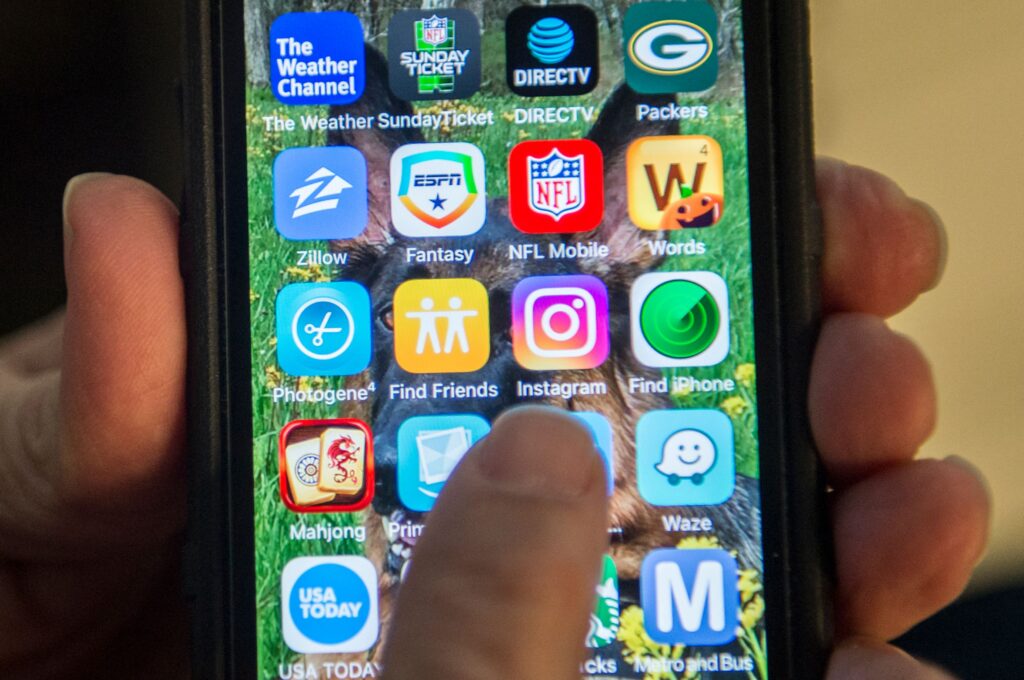
The truth is, your familiar gadgets didn’t become obsolete because they stopped working. They simply found new homes inside a single device—the smartphone.
And if you’re someone who still prefers the feel of a real flashlight in your hand or the satisfying click of a kitchen timer, you’re not behind the times. You’re someone who knows what works for you.
That said, if you’ve ever been curious about what all those “apps” actually do, this guide is for you.
Think of it as a friendly translation: here’s what happened to the devices you know and trust, and where to find their digital equivalents if you ever want to try them.
Calculator
Before your phone could solve equations, people carried around dedicated calculators—and we’re not just talking about math class. Adults had these things on their desks, in their bags, everywhere. The wild part? Some people still swear by their Texas Instruments graphing calculators, which honestly have the same energy as vinyl collectors. But for everyday math? The Calculator app ended that era.
Phone book and Rolodex
Okay, so a Rolodex was basically a spinning wheel of index cards that sat on people’s desks, and each card had someone’s contact information written on it. By hand. And phone books? Imagine a thick paperback novel, except instead of a story, it’s just names, addresses, and phone numbers for everyone in your city. People actually flipped through hundreds of pages to find a pizza place’s number. The Contacts app made all of this feel like ancient history.
GPS device
Before Google Maps lived in your pocket, people bought entire devices—Garmin and TomTom were the big names—that did nothing except give directions. These chunky screens would suction-cup to your windshield, and you’d have to update the maps manually. The robotic voice telling you to “recalculate” when you missed a turn became a running joke in every road trip movie from the 2000s. Now that voice lives in your phone, and it’s honestly still just as passive-aggressive.
READ MORE: 10 Years of Nostalgia: Why the Internet Is Looking Back at 2016 With Rose-Colored Glasses
CD players and MP3 devices
This one hits different if you’ve ever seen someone’s CD binder—a massive folder filled with discs that people would flip through while driving. Then came MP3 players, with the iPod being the most iconic. Having 1,000 songs in your pocket felt revolutionary. But streaming services like Spotify and Apple Music made even that feel outdated. Why own music when you can access basically every song ever recorded for a monthly fee?
Alarm clocks
Picture this: a separate device that sat on your nightstand and did exactly one thing—wake you up. Some had radio features, some had that horrible buzzing sound that still triggers anxiety in millennials. The Clock app absorbed this function so completely that alarm clocks are now mostly aesthetic choices for people really committed to their bedroom decor.
Wired headphones
Those tangled cords in your pocket? The way one earbud would inevitably stop working? The iconic white wires that became a status symbol when iPods dropped? Bluetooth technology made all of that obsolete. AirPods and their competitors turned wired headphones into a vintage aesthetic choice rather than a necessity.
Printers
Okay, printers haven’t completely disappeared—your school probably still requires you to print essays sometimes. But cloud technology has seriously reduced how often anyone needs to actually put ink on paper. Why print a document when you can share it instantly, access it from any device, and save a tree in the process?
Voice recorders
Journalists, students, and anyone who needed to capture audio used to carry dedicated voice recorders. These little devices felt very spy-movie at the time. Now? The Voice Memos app on your phone does the same thing, and you don’t have to remember to bring an extra gadget to your lecture.
READ MORE: Nostalgia Used To Be a Serious Mental Health Disorder — But Now It’s Celebrated. Here’s Why
Answering machines
“You’ve reached the Johnsons. Leave a message after the beep.” Answering machines were the original voicemail—physical devices that recorded messages from people who called when you weren’t home. The concept of “screening calls” by listening to someone leave a message in real-time feels absolutely unhinged now. Voicemail took over this function so smoothly that most people under 25 have probably never seen an answering machine in action.
Scrapbooks
Before the Photos app automatically organized your memories by date, location, and even the faces in them, preserving photos was a whole craft project. People would print photos, buy special books, and physically arrange and glue pictures onto pages. Scrapbooking was genuinely a hobby with dedicated stores. Now your phone does all of this automatically, though it lacks the glitter glue aesthetic.
Flashlights
A dedicated flashlight used to be essential—in your car, by your bed, in the kitchen drawer. Now? The Flashlight app is probably one of the most-used features on your phone. It’s so integrated that it’s wild to think people used to buy separate devices just to see in the dark.
Notebooks
Taking notes meant carrying paper and a pen everywhere. Students had different notebooks for different classes. People had planners, journals, and to-do lists all in physical form. The Notes app consolidated all of this into your phone, though plenty of people still swear by the satisfaction of writing by hand.
Kitchen timers
That spinning dial timer your grandma might still have on her counter? That was essential, yet outdated technology. You’d twist it to set the minutes, and it would tick down before ringing a bell. The Clock app’s timer function replaced this so thoroughly that kitchen timers are now mostly decorative.
Tech devices evolved quicker than anyone prepared for
What’s wild about this list is how recently all of this changed.
The iPhone launched in 2007—that’s not ancient history. Yet the shift happened so fast that these devices went from essential to obsolete in less than a generation.
So the next time you see a Rolodex in a movie or your parents mention MapQuest, you’ll know exactly what they’re talking about.
ALSO ON MOD MOMS CLUB: This Might Be the Most Comforting Use of Nostalgia the Internet Has Ever Seen
And hey, maybe understanding this tech history makes those “back in my day” conversations a little more interesting. Or at least gives you some context for why everyone over 35 gets nostalgic about their iPod.