


A completed ‘John Tucker Must Die’ sequel script sits at a studio gathering dust.
Do you like the thrill of a real Christmas tree or the ease of an artificial one?
According to a 2025 survey by the American Christmas Tree Association, more than 80% of households plan on displaying an artificial tree this holiday season — falling on the latter end of that question.
That means roughly 1 in 5 households prefer the experience that comes with a real Christmas tree.
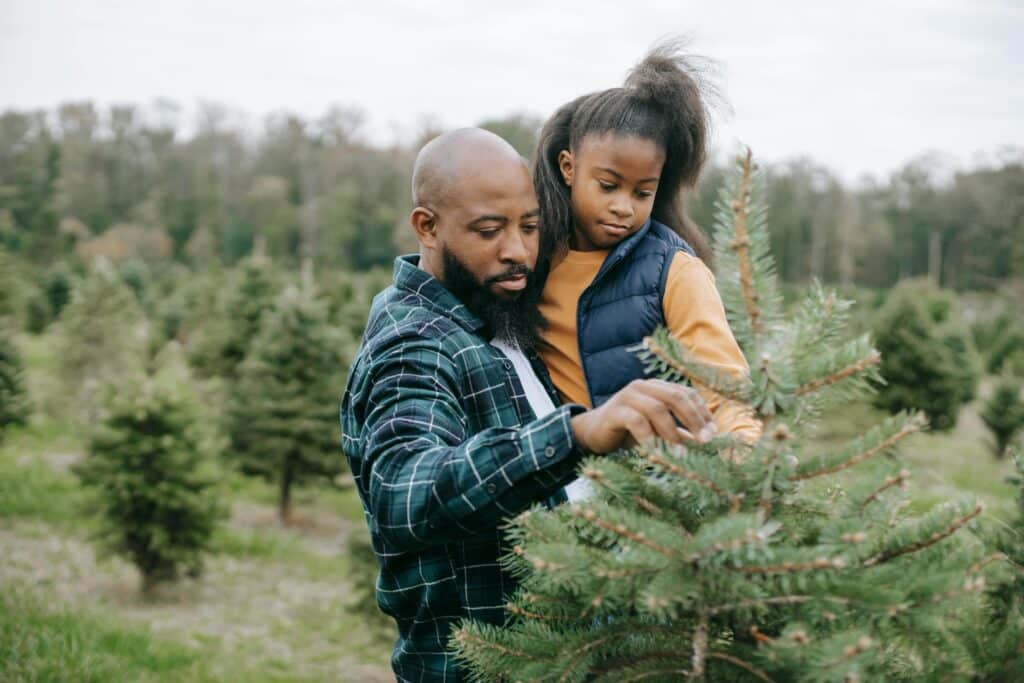
If you’re one of those households who love the idea of going to a Christmas tree farm and picking out the perfect tree with your family, then you likely have a lot of questions — especially if this is your first time.
READ MORE: Kelsey Grammer reveals the hilarious reason he avoids Christmas tree shopping. ‘Celebrity pricing’
Don’t worry. You’re not alone.
In fact, the National Christmas Tree Association estimates that 350 million real Christmas trees are grown in the United States every year — and between 25 and 30 million of them are sold to families like yours.
But before you make that purchase, there are a few things every new tree owner should know.
How long does a real Christmas tree last?
If you planted a real Christmas tree in your yard, then it would take between five and 15 years to grow.
And if kept in your yard, that tree could last decades — if not hundreds of years.
But the second you cut that Christmas tree down and place it in a room inside your house, that tree starts decaying immediately and its lifespan drops dramatically.
On average, most real Christmas trees last between four and six weeks if maintained properly, per Better Homes & Gardens.
If not maintained properly, a real Christmas tree can show signs of drying out in just a matter of days — losing needles, turning brittle to the touch and becoming a fire hazard long before the holiday is over.
How to care for a real christmas tree
As with any of your houseplants, caring for a Christmas tree takes time, energy and effort.
And while it might feel a little intimidating at first — especially if you’ve never had a real one before — the truth is that most of the work comes down to a few simple habits.
Simply put: it needs the right spot, the right amount of water and a little daily attention to stay happy.
READ MORE: Mom’s simple question to daughter has parents rethinking their priorities this holiday season
And once you get the hang of those basics, caring for a real Christmas tree becomes surprisingly easy — and second nature. In fact, many families find that it becomes part of the holiday experience itself.
Here are a few tips to help you get the most out of your Christmas tree this holiday season.
6. Start by choosing a healthy tree
The lifespan of your Christmas tree really starts at the farm you cut it down from.
A fresh, healthy tree will naturally last longer — sometimes an extra week or two — compared to one that’s already drying out before you get it home, so finding the right one is more important than anything.
When you arrive at the tree lot or farm, start by giving the branches a gentle shake.
A few loose needles here and there are totally normal, but if handfuls of them fall off, that’s a sign the tree was cut a while ago and is already losing moisture.
You can also run your hand along a branch. The needles should feel pliable, not brittle, and should stay firmly attached.
Next, take a look at the trunk. A healthy tree should have a rich, vibrant color and a strong, fragrant scent.
If the trunk looks dull, dry or cracked, it may not absorb water as well once you get it home — which means it’ll dry out much faster.
5. Invest in a proper Christmas tree stand
Once you’ve chosen a tree, the next most important step is giving it a solid foundation — literally.
A Christmas tree stand is a base used to hold a Christmas tree upright and stable, with many models for real trees also featuring a water reservoir to keep the tree hydrated.
Christmas trees are thirsty, especially in the first 24 to 48 hours after being cut. Some can drink up to a gallon of water a day, which means your stand needs to hold enough water to keep up with that demand.
Look for a stand that’s sturdy, easy to tighten and designed for the height of your tree.
As a general rule, the stand should hold at least one quart of water per inch of trunk diameter. So if your tree has a 4-inch trunk, you’ll want a stand that holds at least a gallon of water.
It’s also worth choosing a stand with a wide base to prevent tipping — especially if you have kids, pets or a tree that’s a bit taller than usual.
4. Give the trunk a fresh cut when you get home
Even if your tree was cut the same day you bought it, giving the trunk a fresh slice when you get home is one of the simplest — yet most important — things you can do to help it last longer.
Once a tree is cut, its trunk begins to seal over within a few hours, which makes it much harder for the tree to absorb water. Without consistent water intake, your tree will start drying out almost immediately.
To avoid that, trim off about half an inch from the bottom of the trunk before placing it in the stand. You don’t need to take much — just enough to expose fresh wood and reopen the cells that draw in water.
The key is timing. After you make that cut, try to get your tree into water within 30 minutes. If you wait too long, the trunk will start sealing again, and you’ll lose the benefit of the fresh cut.
READ MORE: Brenda Song Says Maintaining Holiday Magic Is “Getting Tricky”
3. Check the water level every few days
Once your tree is in the stand, water becomes its lifeline.
That’s why it’s best to treat watering your tree like brushing your teeth or taking the dog for a walk: something you do every day without thinking about it.
Make it part of a routine you already have. For example, check the water level every morning when you pour your first cup of coffee, or every night when you turn off the tree lights.
You can even set a recurring reminder on your phone for the same time each day so it doesn’t slip your mind in the holiday chaos.
If you have kids, this can also be a simple job they take ownership of — a quick “tree check” where they peek into the stand and let you know if it needs a refill.
2. Keep tree in cool place — away from heat
Where you place your Christmas tree plays a huge role in how long it stays fresh.
Even the healthiest, most well-watered tree can dry out quickly if it’s sitting next to a heat source. That’s because warm air pulls moisture from the needles and branches, speeding up the drying process.
When you bring your tree inside, choose a spot that’s comfortably cool and out of the direct path of anything that gives off heat — like fireplaces, radiators, baseboard heaters, floor vents or space heaters.
Even TVs and large windows with strong afternoon sun can warm the tree enough to shorten its lifespan.
If possible, keep your tree away from south-facing windows, which tend to get the most intense sunlight. Direct sun can add unnecessary warmth and fade needles over time.
1. Use LED lights when decorating the tree
The next thing that affects its longevity is how you decorate it — specifically, the type of lights you use.
Traditional incandescent bulbs give off a surprising amount of heat, and when you drape them over a real Christmas tree, that warmth can speed up drying, make needles brittle and increase the overall fire risk.
LED lights, on the other hand, stay cool to the touch, even after hours of being on.
They won’t warm the branches or pull moisture from the needles, allowing your tree to stay fresh. They’re also more energy-efficient and tend to last for years, so you’re not constantly replacing strands.
If you want to go the extra mile, try using a smart plug or timer so your lights automatically turn off at night. Not only does this save energy, but it gives your tree a break from any prolonged warmth.
READ MORE: Is Google taking the spirit out of Christmas? Here’s why some parents are understandably livid
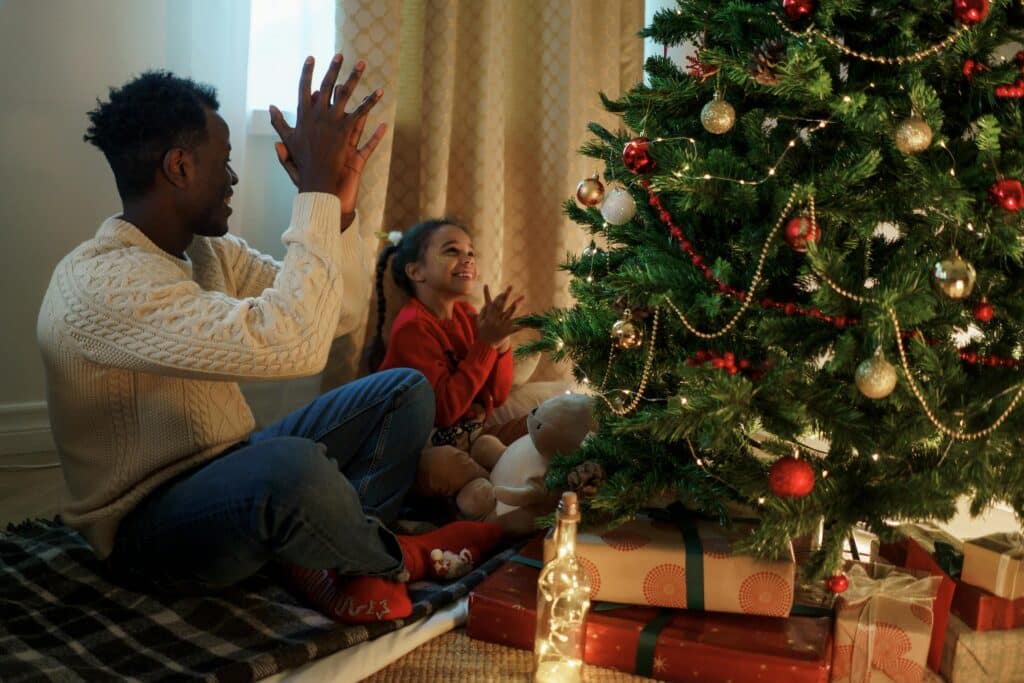
Other FAQs about real Christmas trees
Even with all the basics covered, it’s completely normal to still have a few lingering questions — especially if you’re new to the world of real Christmas trees.
From watering habits to safety concerns to what to do with your tree after the holidays, families tend to wonder about the same things year after year.
To make things easier, here are answers to some of the most common questions people have about caring for and enjoying a real Christmas tree during the holiday season.
Where to buy real Christmas trees? There are close to 15,000 farms growing Christmas trees in the United States. A quick search on Google can help you find one close to your home.
How much does a real Christmas tree cost? Most real Christmas trees cost between $80 and $100, but that price can skyrocket depending on the size, species and quality.
When is the best time to buy a Christmas tree? The best time to buy a Christmas tree is early December. This ensures that your tree stays healthy through Dec. 25 and New Year’s Day.
When is the best time to remove a Christmas tree? The best time to take down your tree is when it starts to show signs of drying (making it a fire hazard) and when the needles start to fall off frequently.
What to do with a Christmas tree when you’re done with it? You can recycle your Christmas tree at a local drop-off collection site or chop it up to be used as firewood throughout the winter season.
ALSO ON MOD MOMS CLUB: What is a Christmas advent calendar — and how to make your own this holiday season
Whether this is your first real Christmas tree or your family’s long-standing tradition, following these tips will help you get the most out of it — and keep it healthy for as long as possible.