

"Theater at its best should feel like a real community effort.”
What’s the first thing you think of when you hear the word “nostalgia?”
For some people, it’s Saturday morning cartoons, burned CDs, the smell of a vintage shop or the sound of a VHS tape rewinding. For others, it’s a favorite TV show, an old song or even a social media trend.
Either way, nostalgic thoughts usually bring a smile to someone’s face.
Or, as Cathy Cox — a professor at TCU’s Louise Dilworth Davis College of Science & Engineering — put it, nostalgia makes people view their life in a more positive, optimistic and meaningful way.
But that hasn’t always been the case.
READ MORE: Why the Internet Is Looking Back at 2016 With Rose-Colored Glasses
In fact, nostalgia used to be seen as a bad thing — and was even considered a mental health disorder.
Nostalgia is one of the true ‘forgotten’ mental disorders
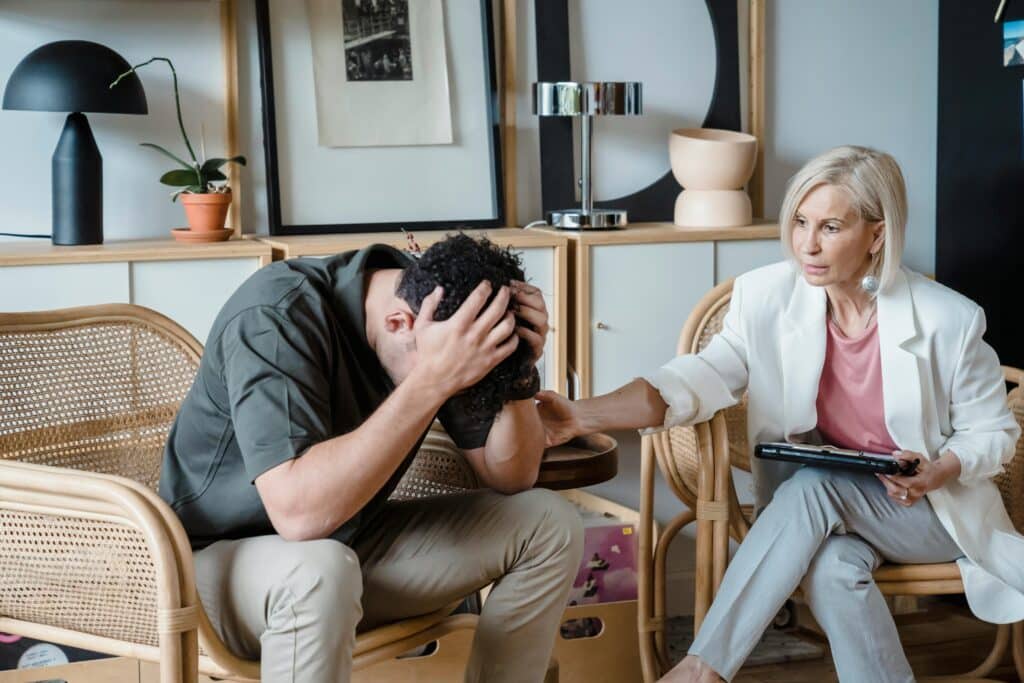
In the medical community, the term “nostalgia” can be traced back several hundred years.
As George Rosen explained in a 1975 research paper, where he described nostalgia as a “forgotten psychological disorder,” the term first appeared in medical literature in 1678 by physician Johannes Hofer.
Hofer called it an “often fatal illness” experienced by soldiers who feel a high level of pain “because he is not in his native land, or fears never to see it again.”
In other words, it was an intense case of feeling homesick.
Hofer derived the term from the Greek words “nostos,” meaning “return to one’s native land,” and “algos,” meaning “pain or distress.”
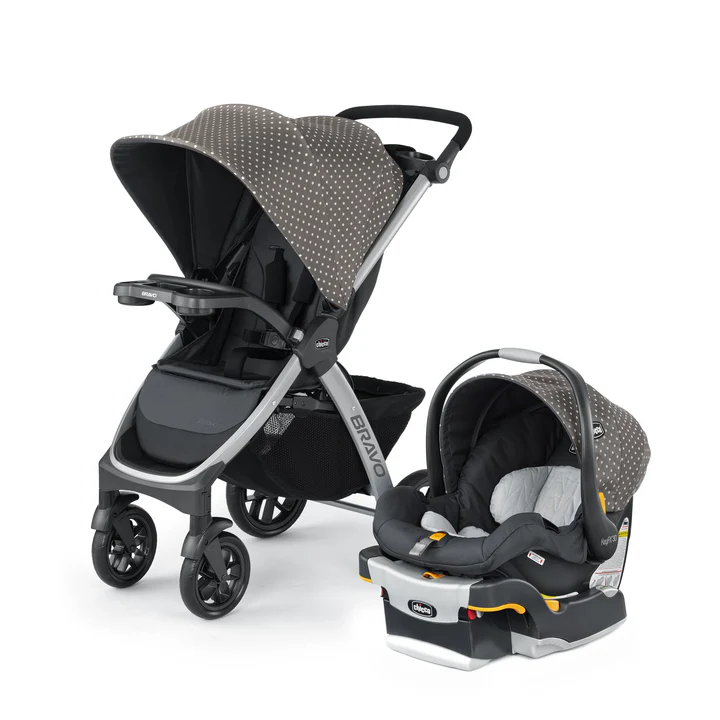
READ MORE: Mom’s Vintage Stroller Find Is Making Parents Feel Nostalgic — and Jealous
By the 1800s, nostalgia was the second-most studied mental health disorder, behind hysteria.
"It was once a medical disease that could end fatally," Edward Shorter, a professor of the history of medicine and psychiatry at the University of Toronto, said in a 2018 interview with Mashable.
"People could leave home and become servants and then be overcome with homesickness," he added. "Three weeks later, they’d be dead."
According to Shorter, symptoms of nostalgia were similar to that of PTSD today.
"[Soldiers] grew so miserable and apathetic that they stopped eating and showed signs of clinical depression,” he said — attributing their death to diseases caused by a lack of hygiene and medicine.
"Nostalgia is more often a predisposing cause to their death – but the doctors definitely thought of it as a potentially fatal disease,” he added.
PTSD wasn’t officially recognized as a diagnosis until 1980 when the American Psychiatric Association (APA) added it to the *Diagnostic and Statistical Manual of Mental Disorders* (DSM-III).
Is nostalgia still considered a mental health disorder?
The term “nostalgia” is no longer considered a mental disorder.
The term was a “problem of considerable interest to physicians in the 18th and 19th centuries,” but started to disappear by the 20th century and reappeared under other labels, according to Rosen.
Rosen went on to describe it as “a psychopathological condition affecting individuals who are uprooted, whose social contacts are fragmented, who are isolated and who feel totally frustrated and alienated.”
READ MORE: The Internet Is Missing the ’90s — So This Mom Made It a Reality for Her Children
You can also find a definition for it in the APA’s “Dictionary of Psychology.”
According to the APA, nostalgia is “a longing to return to an earlier period or condition of life recalled as being better than the present in some way.”
The APA also defines it as “a longing to return to a place to which one feels emotionally bound.”
Modern nostalgia has taken on a completely different meaning
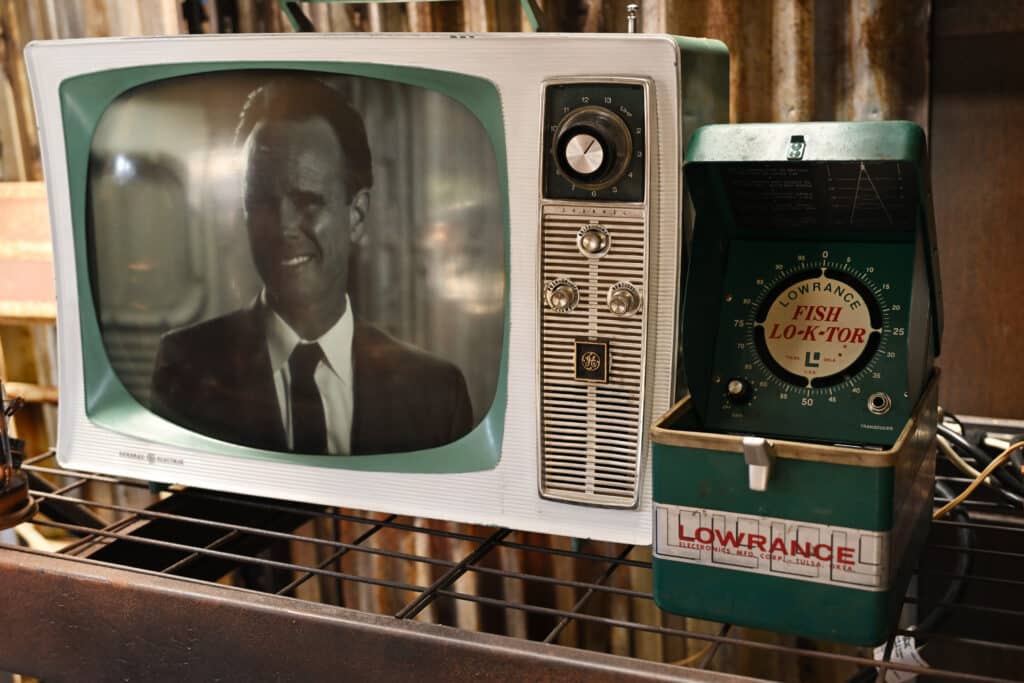
Towards the end of the 20th century, nostalgia started to take on new meaning.
The average person viewed it as more of an emotion than a mental disorder, while doctors started to report on its positive benefits — as opposed to viewing it as a negative thing.
Within a few decades, everything that was known about nostalgia had flipped.
According to Cox, nostalgia comes with plenty of physical health benefits, such as pain tolerance and a healthier lifestyle — with some people displaying “greater intentions to eat healthy and exercise more.”
READ MORE: ‘High School Musical’ Cast Proves They’re Still ‘All In This Together’ on Film’s 20th Anniversary
She went on to define nostalgia as something most of us feel when we’re bored, isolated, lonely or sad.
And she used the COVID-19 pandemic as an example.
At the height of it, in 2020, many people were turning to vintage TV shows from the 1980s and 1990s or classic songs from decades ago to help cope with the lack of connection and social distancing.
Rather than signaling something was wrong, nostalgia became a sign of emotional self-preservation.
Psychologists now understand it as a coping tool — one that helps people regulate stress, feel connected, and regain a sense of stability during uncertain times.
The similarity between nostalgia then and now
On the surface, the nostalgia once labeled as a deadly disease and the warm, comforting feeling we associate with it today seem worlds apart.
One was feared by doctors; the other is openly embraced.
But some researchers say the emotional root may not be all that different.
In the old days, the only “cure” for nostalgia that doctors knew of was to remove people from the distressing environment altogether and send them back to where they felt they belonged.
When we feel nostalgic today, we do something similar.
And TikTok’s “2026 is the new 2016” trend is the perfect example of this.
The viral movement has users revisiting photos, outfits, routines, and memories from a decade ago — often framing that period as simpler, happier, or more carefree.
In this sense, nostalgia has become a quiet form of escape. Not a rejection of reality, but a brief mental simulation of being somewhere else — somewhere better — even if only for a moment.
ALSO ON MOD MOMS CLUB: Historic Gene-Edited Baby KJ Takes First Steps Months After Treatment
We can’t physically return to 2016, but we can mentally. And it’s through nostalgia that we can.