


That camping trip your family still talks about? Science says it’s worth more than any toy under the tree.
The creation of this article included the use of AI and was edited by human content creators. Read more on our AI policy here.
As a new or expecting parent, you’ve likely spent countless hours researching the best sleep practices for your little one.
From sleep training methods to the ideal nursery temperature, the quest for better baby sleep can feel endless.
So when a viral video recently sparked international debate about leaving babies to nap outside in freezing temperatures, it probably caught your attention—and perhaps raised some eyebrows.
READ MORE: Your Family’s Winter Guide to Planning a Spring Garden Together
The practice might seem alarming at first glance, but before dismissing it entirely, it’s worth understanding what the research and medical professionals in Scandinavian countries have to say about this generations-old approach to infant sleep.
The viral video that sparked the heated debate
Dammylene Natnat, a 31-year-old mother living in Sweden, took to TikTok on January 2 to share a video that has since captured the attention of parents worldwide.
In the footage, Natnat opens her door to reveal her two-year-old son, Colin, peacefully sleeping in a stroller left outside in the snow.
“I left my toddler alone outside in snow for an hour,” she wrote in a text overlay on the video.
In her caption, Natnat provided important context for viewers unfamiliar with the practice.
“It is normal here in Sweden to leave your child outside to get some sleep. Scandinavian has been doing this method for generations and it is safe to do it here. Of course we make sure that my child has the right clothes, safe pram and a baby monitor. And we check on him from time to time,” she wrote.
Americans were harsh critics of the parenting norm
The comment section quickly filled with concerned responses, many from American parents who found the practice deeply unsettling.
“This is what we call a CPS case in America,” one commenter wrote, reflecting the stark cultural differences in parenting norms between countries.
“Idc bout it being anyone’s culture. I couldn’t do this,” another commenter wrote, expressing a sentiment many parents likely share.
READ MORE: Winter-inspired baby girl names that bring warmth, charm and a touch of seasonal sparkle
A third user articulated the specific fears that might run through any parent’s mind: “I know they have been doing this, but I would be so scared my baby would die, a critter would take my baby and that a stranger would kidnap my baby.”
These concerns are completely understandable.
As parents, our instinct is to keep our children close and protected. The idea of leaving a baby outside, especially in cold weather, runs counter to many of the safety messages we’ve internalized.
The believed science behind outdoor napping for babies
However, not everyone was critical. Many commenters from Nordic countries offered a different perspective.
“It’s so funny to see these reactions as someone born in Northern Europe. This is a completely normal and a very common thing to do,” one user wrote.
“As someone in America, people really need to realize that different places have different cultures and traditions,” another commented.
According to BBC, it’s normal to do this in Scandinavian countries. And many believe it comes with benefits for the child.
For parents constantly searching for ways to help their babies sleep better, the research findings may be particularly interesting.
READ MORE: Winter baby boy names that feel cozy, strong and perfect for your little season of joy
Some parents report that their children sleep better and for longer in the open air, while others believe the practice helps reduce the likelihood of children developing coughs or colds.
Marjo Tourula, a researcher in Finland who has studied this practice, observed significant differences in sleep duration. “Babies clearly slept longer outdoors than indoors,” Tourula says, noting as much as a one-hour increase in nap time, per the BBC.
For sleep-deprived parents, an extra hour of naptime might sound like a dream come true. But what explains this phenomenon?
“Probably the restriction of movements by clothing could increase the length of sleep, and a cold environment makes swaddling possible without overheating,” Tourula adds.
This explanation aligns with what many parents already know about infant sleep: babies often sleep better when they feel snugly contained, and overheating can disrupt sleep and even pose safety risks.
Outdoor napping is common practice in Sweden
In an interview with People, published January 16, Natnat provided additional context that parents weighing this practice should consider.
“It’s actually not a tradition, but more of a method or a common practice here in Sweden,” she told People. “It’s very common here and in other Nordic countries as well. Midwives, doctors and daycare centers recommend this practice. Even my toddler naps outside at daycare.”
The fact that medical professionals—including midwives and doctors—recommend this practice in Sweden may offer some reassurance to parents curious about the safety aspects. This isn’t a fringe parenting choice in Scandinavia; it’s mainstream enough to be implemented in childcare settings.
READ MORE: Jessie James Decker’s Backyard Turns Dangerous Amid Nashville’s Record-Breaking Ice Storm
“It’s believed that fresh air helps children sleep better, longer, and more deeply,” Natnat added. “It also helps children adapt to the climate, since Sweden has a tough winter weather.”
Natnat was also adamant about several key safeguards in her original video and subsequent interview.
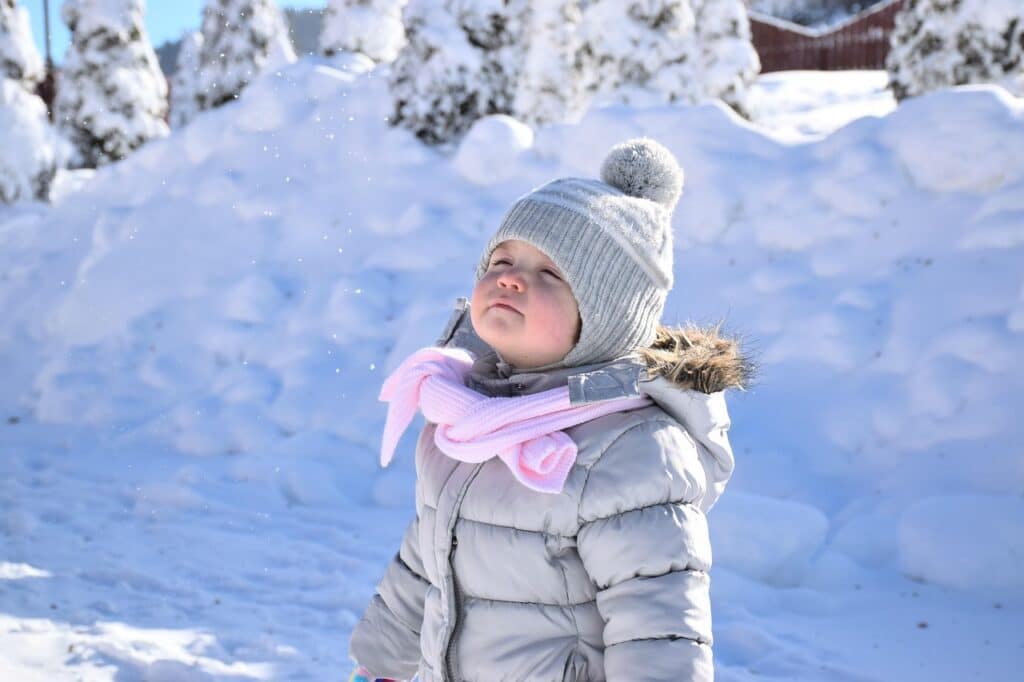
First, proper clothing is essential. Swedish parents dress their babies appropriately for the weather, ensuring they’re warm enough without overheating. This typically involves layering and using appropriate cold-weather gear designed for infants.
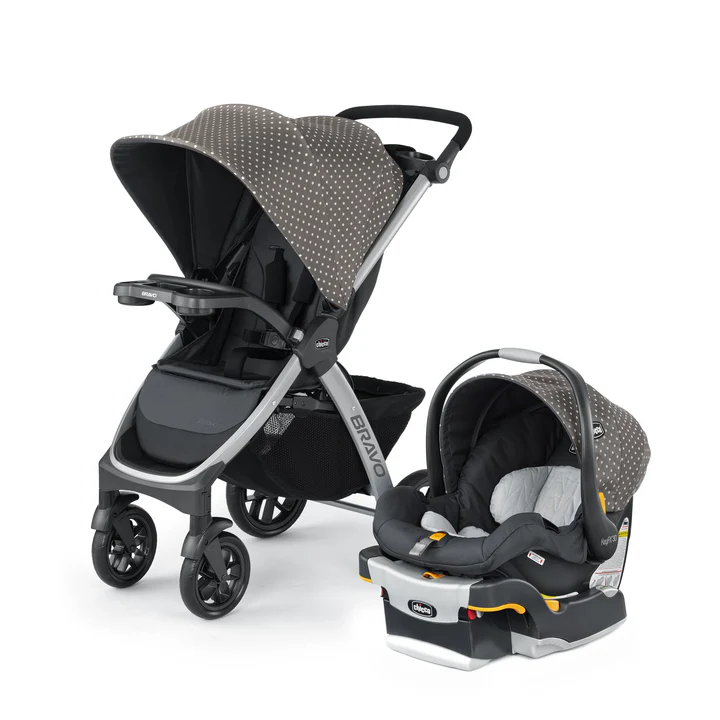
Second, the right equipment matters. A safe pram or stroller designed for outdoor use is part of the protocol.
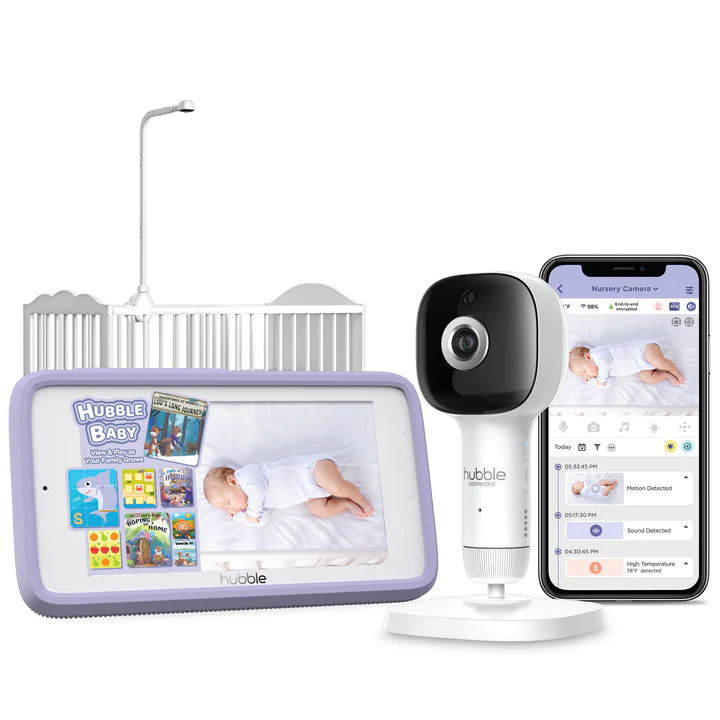
Third, monitoring is non-negotiable. Natnat mentioned using a baby monitor and checking on her son regularly throughout his outdoor naps.
Natnat also addressed one of the primary concerns many American parents raised: safety from strangers.
“There is a high level of trust in the community,” she told People. “We trust our neighbors, and many public spaces are designed with families in mind.”
ALSO ON MOD MOMS CLUB: The Internet Is Missing the ’90s — So This Mom Made It a Reality for Her Children
She alluded to the lower crime rates in Sweden and increased trust among neighbors as reasons why Swedish parents feel comfortable with this practice.