


“Other guys are saying it's dad strength, but I'm just very grateful for the opportunities.”
The Centers for Disease Control and Prevention (CDC) is no longer recommending the hepatitis B vaccine for newborns.
Instead, the agency now advises mothers who test negative for the virus to discuss with their health care providers whether their babies should receive the first dose within 24 hours of birth.
The CDC had been recommending all newborns receive a hepatitis B shot at birth since 1991.
READ MORE: Doctors warn of severe bleeding risks as more parents decline newborn vitamin K shots
The shift follows a Dec. 5 vote by the CDC’s vaccine advisory committee — whose members were appointed this year by Health Secretary Robert F. Kennedy Jr. after he dismissed the previous panel.
Acting CDC Director Jim O’Neill formally approved the change on Dec. 16, making it official agency policy.
Under the new policy, the CDC advises that babies who do not receive the vaccine at birth get their first hepatitis B shot at or after 2 months of age.
The agency also continues to recommend vaccination within the first day of life for infants born to mothers who test positive for hepatitis B or whose infection status is unknown.
Many doctors have touted the change as one that ignores more than 34 years of science.
Most critics argue that the committee’s discussion relied on selective data and misinformation while disregarding decades of evidence showing the vaccine is safe and effective when given shortly after birth.
What does the hepatitis B vaccine do?
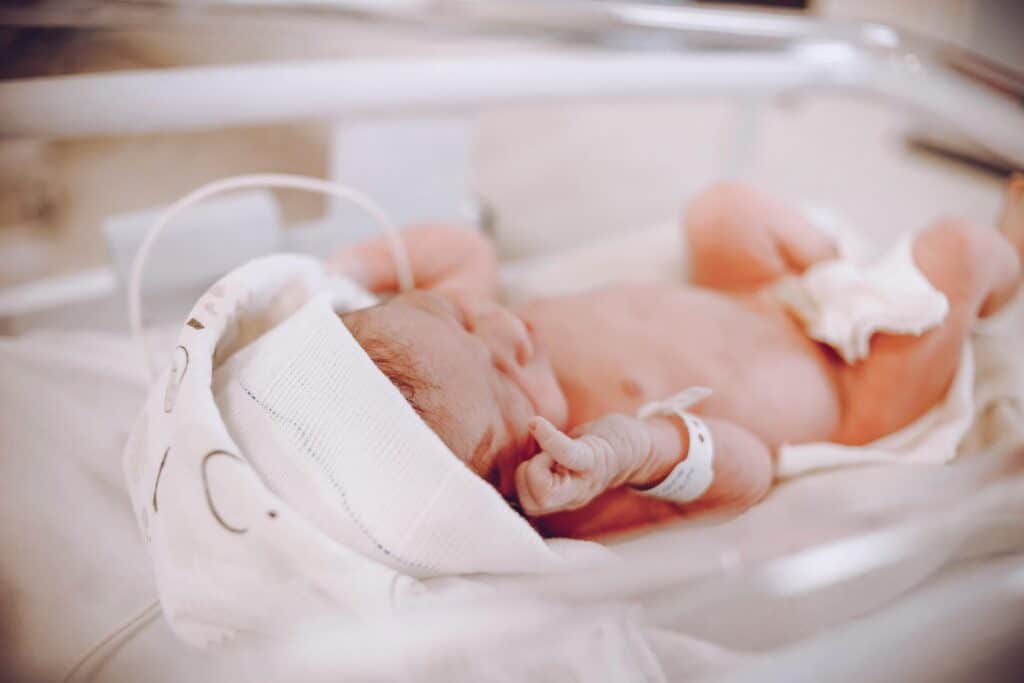
Hepatitis B is the most common serious liver infection in the world.
According to the Cleveland Clinic, hepatitis B “is a viral infection that causes inflammation in your liver.” You can get hepatitis B if exposed to bodily fluids from someone who has the virus.
Despite being a treatable and preventable condition, the Hepatitis B Foundation estimates that nearly 300 million people are currently infected and roughly one million people die from the infection every year.
READ MORE: New study links prenatal stress to earlier baby teething — here’s what researchers found
The hepatitis B shot has long been one of the safest and most effective ways of preventing its spread.
That’s why many critics — including U.S. Senator Bill Cassidy, who has treated cases of hepatitis B as a longtime liver doctor — have called the change in policy a “mistake.”
“Before the birth dose was recommended, 20,000 newborns a year were infected with hepatitis B. Now, it’s fewer than 20,” Cassidy wrote in a Dec. 5 post on X.
“Ending the recommendation for newborns makes it more likely the number of cases will begin to increase again. This makes America sicker,” he added.
Shots for hepatitis B are typically given as a three-dose series.
ALSO ON MOD MOMS CLUB: New study proves that postpartum recovery takes much longer than initially expected
According to the Hepatitis B Foundation, most babies receive their first dose within 24 hours after birth, followed by a second dose one month later and third dose six months after the first dose.