


“We’re going to try to make it as natural as possible for him. He’s going to live his life out here."
The creation of this article included the use of AI and was edited by human content creators. Read more on our AI policy here.
As a parent, you know that sleep is precious—and often elusive. Between middle-of-the-night wake-ups, early morning risers, and your own exhausted attempts to recharge after the kids are finally down, creating an environment that supports better rest isn’t just nice to have. It’s essential for your family’s wellbeing.
Here’s the good news: something as simple as the color on your bedroom walls might actually make a difference. And yes, there’s science behind it.
Why Bedroom Color Matters More Than You Might Think
When you’re running on four hours of sleep and facing another day of snack negotiations and sibling squabbles, paint color probably isn’t at the top of your priority list. But according to the Sleep Foundation, the colors surrounding you and your children at bedtime can influence how easily everyone settles down for the night.
The principle is straightforward: “The best bedroom color for sleep is one that calms you down as you prepare for bed.” While every person—and every child—has individual preferences, research shows that “certain colors, such as blue and green, tend to promote more positive emotions and associations.”
For exhausted parents trying to create peaceful bedtime routines, this is valuable information. The right wall color won’t magically eliminate bedtime battles, but it can support the calm atmosphere you’re working so hard to establish.
How Color Affects Mood and Sleep
Although the Sleep Foundation admits that “little research directly explores the connection between color and sleep,” we do know that color influences mood. And mood significantly affects how relaxed someone feels before bed—whether that someone is a wound-up toddler or a parent whose mind is still racing through tomorrow’s to-do list.
Think about it this way: the visual environment of a bedroom sends signals to the brain. A room that feels calm and soothing helps prepare the body for rest. A room that feels stimulating or chaotic does the opposite. For children especially, who are still developing their ability to self-regulate, these environmental cues can be particularly powerful.
The Best Colors for Sleep: What the Evidence Shows
Blue: The Classic Calming Choice
If you’re looking for a safe bet for either your bedroom or your child’s room, blue consistently emerges as a top recommendation. “People tend to associate blue with calmness and relaxation, making it one of the best colors to paint your bedroom,” the Sleep Foundation explains.
Why does blue work so well? Part of the answer lies in its connection to nature—think peaceful skies and tranquil water. These associations may contribute to physiological effects like reducing heart rate and blood pressure, helping both you and your children transition into a restful state.
For a child’s room, blue can create that sense of security and calm that makes bedtime feel less like a battle and more like a natural wind-down. For your own bedroom—your sanctuary for recovery sleep—blue offers a visual retreat from the chaos of family life.
Green: Nature’s Soothing Palette
“Green may also be a good choice for a bedroom color,” according to sleep experts. Like blue, green draws its calming power from nature associations—forests, meadows, growing things.
What makes green particularly appealing for family bedrooms is the range of positive emotions it evokes: “comfort, peace, spaciousness, hope, and happiness.” For a child who struggles with bedtime anxiety or a parent who needs their bedroom to feel like a hopeful escape, green offers emotional benefits beyond simple relaxation.
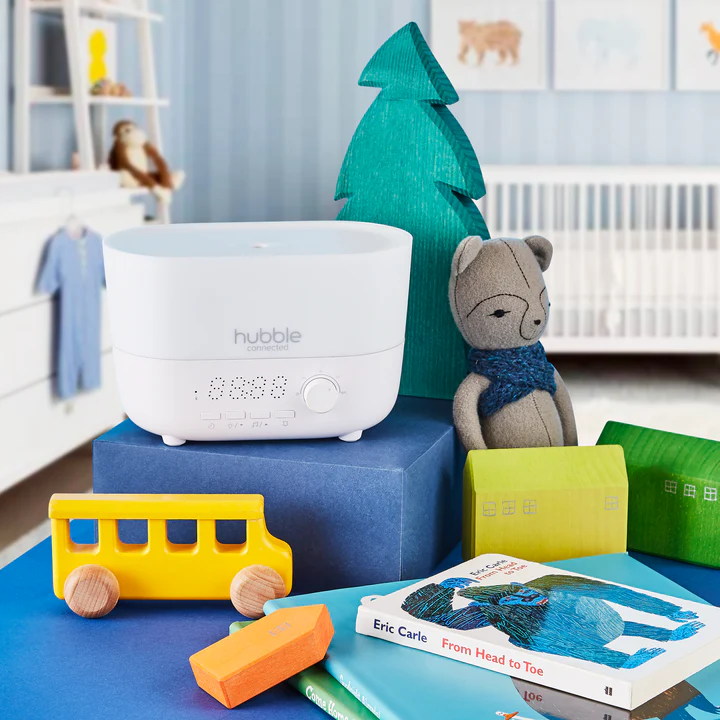
Consider soft sage tones for a nursery or child’s room—they’re gender-neutral, grow with your child, and create that nature-connection benefit that can help little ones feel grounded and secure.
White: Clean, Peaceful, and Versatile
Don’t overlook white as an option, especially if you’re working with small bedrooms or want maximum flexibility. The Sleep Foundation explains, “White may be a good choice for a bedroom due to its association with positive words such as ‘peace,’ ‘secure,’ ‘safe,’ and ‘relaxed.’”
For parents, those word associations matter. You want your children to feel secure and safe in their sleeping spaces. White walls can provide that sense of calm simplicity, reducing visual clutter and mental stimulation when it’s time to sleep.
White also works beautifully as a backdrop if you want to add calming elements through bedding, curtains, or artwork without overwhelming a child’s room with too much color.
Colors That May Work Against Restful Sleep
Just as some colors promote calm, others tend to be more stimulating—which is exactly what you don’t want when you’re trying to get everyone settled for the night.
Warm colors like red and yellow tend to be more energizing than calming. Red, in particular, is associated with higher energy and alertness. While these colors might be perfect for a playroom where you want to encourage activity, they’re generally not ideal for spaces dedicated to sleep.
This doesn’t mean you need to ban all warm colors from bedrooms entirely. But if your child’s room is painted bright orange and bedtime has become a nightly struggle, it might be worth considering whether the environment is working against your efforts.
Practical Tips for Choosing Sleep-Friendly Colors
Selecting the right bedroom color isn’t just about choosing blue, green, or white. The brightness and shade intensity matter just as much as the hue itself. Lighter or muted shades tend to feel calmer and less stimulating than bold, saturated versions of the same color.
A soft, dusty blue will likely support sleep better than an electric turquoise. A sage green creates more calm than a vibrant lime. When shopping for paint, look for words like “muted,” “soft,” “dusty,” or “pale” in the color names.
For children’s rooms specifically, consider how the color looks in evening light, since that’s when it matters most for sleep. A color that seems perfect in bright afternoon sunshine might feel different—better or worse—under the warm glow of a nightlight.
Small Changes, Meaningful Differences
You’re tired. You don’t have time for elaborate home renovation projects. The good news is that painting a single room is one of the more manageable home improvements you can tackle—and it might actually support better sleep for your whole family.
While individual preferences vary, choosing calmer, cooler tones generally supports a more restful bedroom environment. Whether you’re creating a peaceful nursery, updating a child’s room to support better sleep habits, or transforming your own bedroom into a true recovery sanctuary, color is one tool in your toolkit.
You deserve rest. Your children deserve rest. And sometimes, the path to better sleep starts with a can of paint.