

“We’re going to try to make it as natural as possible for him. He’s going to live his life out here."
The creation of this article included the use of AI and was edited by human content creators. Read more on our AI policy here.
There’s something undeniably magnetic about the year 2016. As we settle into 2026, a collective wave of nostalgia has swept across the internet, social media feeds, and conversations everywhere. People aren’t just remembering 2016 — they’re actively longing for it, romanticizing its cultural moments, and most powerfully, returning to its music.
The phenomenon isn’t just a fleeting trend. It represents something deeper about how we process time, change, and uncertainty. And at the heart of this cultural moment sits a collection of songs that have proven their staying power, tracks that somehow feel just as fresh and emotionally resonant as they did a full decade ago.
The Psychology Behind Our 2016 Obsession
Why are we so drawn to this particular moment in recent history? According to experts who study how humans relate to the past, the answer lies in our collective emotional state.
READ MORE: Red Velvet Brings Back the Magic of 2016 with Nostalgic 'Russian Roulette' TikTok Dance
“It’s 2026, people are feeling nostalgic for 2016 (because) enough time has passed to have those warm feelings for that time,” Clay Routledge, an existential psychologist who’s a leading expert in the science of nostalgia, told NBC in January 2026.
Routledge, also an executive vice president and COO at Archbridge Institute, offers a compelling explanation for why this generation specifically finds itself looking backward. He points to the rapid technological changes that have reshaped daily life, particularly the advances in artificial intelligence that have transformed how we work, create and connect.
“People tend to be nostalgic when they’re anxious about the future or they’re not sure what direction in life to take,” he told the outlet. “So I think this generation is dealing with those anxieties, and they’re using nostalgia as a way to respond to them.”
As for what made 2016 such a remarkable year for music? The landscape looked vastly different from today’s streaming-dominated, algorithm-driven environment. The music industry wasn’t oversaturated with TikTok music and brand new songs weekly. Instead, it was defined by artists who were at the top of their game, releasing carefully crafted projects that demanded attention.
From Rihanna’s deeply personal ANTI to Beyoncé’s groundbreaking Lemonade to The Weeknd’s transformative Starboy, 2016 delivered album after album that would go on to define the decade. These weren’t just collections of songs — they were cultural events that brought people together and sparked conversations that continue today.
Let’s explore six tracks from that golden year that somehow still hit just as hard in 2026.
READ MORE: Nostalgia Used To Be a Serious Mental Health Disorder — But Now It’s Celebrated. Here’s Why
'Love on the Brain' by Rihanna
Rihanna’s ANTI remains one of the most significant albums of the 2010s, and “Love on the Brain” stands as one of its crowning achievements. The album was deeply personal, marking her very first project after departing from Def Jam Recordings. It also featured collaborations with Drake and SZA, who wasn’t well-known back then.
“Love on the Brain” specifically was a huge hit and continues to permeate popular culture. The track is still often used in TikToks and commercials, proving its timeless appeal crosses generational boundaries.
The numbers tell a remarkable story of longevity. As of July 2025, ANTI is the fourth-longest charting female album in Billboard 200 history. The album reached an extraordinary milestone in December 2025, clocking a historic 500th week on the Billboard 200.
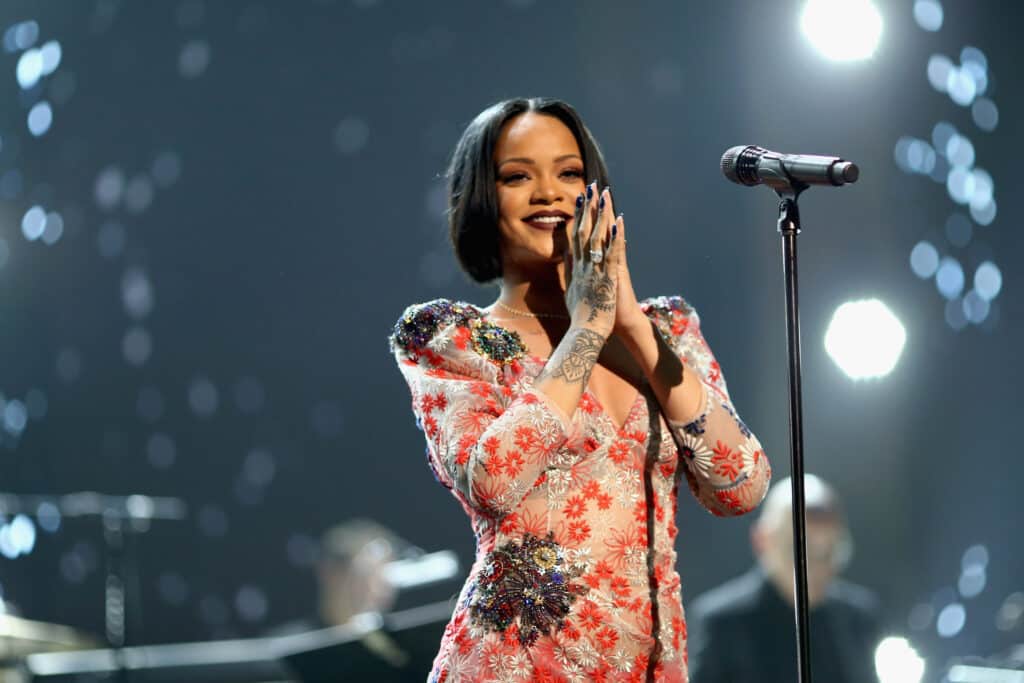
“On the chart dated Dec. 6, 2025, the critically acclaimed LP ranks at No. 134, recording a milestone 500th nonconsecutive week on the ranking. It marks the first album by a Black female soloist in Billboard chart history to spend that much time on the Billboard 200,” according to Billboard.
'Somebody Else' by The 1975
Few songs capture the specific emotional texture of mid-2010s heartbreak quite like “Somebody Else.”
This track has become an indie pop classic from the band led by Matty Healy. Released from their ambitiously titled album I Like It When You Sleep, for You Are So Beautiful Yet So Unaware of It, the song has been labelled a “breakup anthem” that resonates with anyone who has experienced the particular pain of imagining a former partner with someone new.
READ MORE: 10 Years of Nostalgia: Why the Internet Is Looking Back at 2016 With Rose-Colored Glasses
The song’s impact extends beyond casual listeners to fellow musicians who recognize its craftsmanship. Even Charlie Puth admitted to wishing he wrote the song, and he covered it following the single’s release in February 2016.
“I love the simplicity of the record, I love the chord structure and Matty’s voice on it. I like the band but I really love that song,” he told BBC. “I love the way they paint a picture lyrically. They’re not so concerned with using huge words, it’s more like getting into people’s hearts with nostalgia.”
'Into You' by Ariana Grande
When Ariana Grande released “Into You” as the second single from her third studio album Dangerous Woman, she signaled a significant artistic evolution. The track pivoted Ariana into a more mature and sexy image which became her staple for a few years.
The song is so peak 2016 and couldn’t be escaped during that year. Its pulsing production and Grande’s powerful vocals created an irresistible combination that dominated radio, playlists, and dance floors.
Many outlets, including The Guardian and Rolling Stone, ranked it as Grande’s best song — high praise for an artist with a catalog full of hits.
'Starboy' by The Weeknd
Who can forget when The Weeknd dropped the masterpiece of Starboy? And can you believe it’s been 10 years since his rebrand?
READ MORE: We Were All Busy Surviving 2016 — But These 13 Blasts From the Past Were Iconic
The album represented a significant artistic transformation, supported by eight singles, including the US Billboard Hot 100 number-ones “Starboy.” The project announced a new era for the artist, one that would see him become one of the defining pop stars of the decade.
In an interview with Variety in 2020, The Weeknd explained the deeper meaning behind the album’s striking imagery. He said that the cross imagery on the album cover symbolizes being reborn — a fitting description for an album that marked such a clear evolution in his artistry.
'Sorry' by Justin Bieber
Everyone remembers where they were when Justin Bieber dropped “Sorry,” along with its iconic music video including dancers from New Zealand dance crew Royal Family. The track, while technically released in late 2015, was a mega pop hit and became iconized almost immediately.
The song allegedly being about his ex Selena Gomez also adds to the 2010s nostalgia, recalling a time when the two exes often released tracks seemingly about one another. That era of pop culture, when celebrity relationships played out through song lyrics and music videos, feels distinctly of its moment — and distinctly missed.
'Wait a Minute!' by Willow
While this track technically came out in December 2015, its cultural impact firmly belongs to the mid-2010s era we’re celebrating. The song saw little reception after first being released from Willow Smith’s debut album Ardipithecus, but it has gone on to become one of the most iconic songs from the mid-2010s.
READ MORE: This Might Be the Most Comforting Use of Nostalgia the Internet Has Ever Seen
Perhaps most remarkably, Willow was only around 14 years old when she wrote the track. Despite its initial quiet release, the song found new life through streaming platforms and social media, eventually reaching over 1 billion streams. It still hits — a testament to the genuine artistry Willow brought to the project at such a young age.
What connects these six tracks? Each represents artists at pivotal moments in their careers, creating music that was both of its time and somehow timeless. They remind us of who we were in 2016 while speaking to who we’ve become.