

“We took some time to settle into our new rhythm before sharing this sweet news.”
Have you noticed an uptick in parents using last names as first names, especially with boys?
If so, then you’ve identified one of the biggest baby name trends of the 21st century — so much so that many traditional surnames are now widely accepted (and even beloved) as given names for boys.
Most last names as first names will fall under one of four categories:
- Patronymic or matronymic surnames are derived from the mother or father’s name.
- Occupational surnames are based on an occupation or trade.
- Toponymic surnames come from the name of a place or geographical feature.
- Descriptive surnames describe a trait, quality, or behavior.
For boys, this trend is being driven by the patronymic names Hudson and Jackson.
Hudson, meaning “son of Hudde” or “son of Hugh,” was the 22nd most popular boy’s name in 2024, per the U.S. Social Security Administration (SSA), while Jackson, meaning “son of Jack,” ranked 35th.
READ MORE: Animal-inspired boy names that are clawing their way up the baby name charts
If you’re interested in using surnames as first names for your future son, then these names are for you!
Quinn — Irish surname derived from Old Irish word conn, meaning “sense” or “reason.”
Walker — English surname traditionally given to someone who was a walker, also known as a fuller.
Ford — English surname from a place name meaning “ford,” referring to a shallow place in a river.
Lloyd — Welsh surname derived from the word llwyd, meaning “grey.”
Floyd — variant of Lloyd, which derives from the Welsh word llwyd, meaning “grey.”
Hudson — English surname meaning “son of Hudde” or “son of Hugh,” with Hugh meaning “mind” or “thought” in Old High German.
Carson — Scottish surname meaning “son of Carr,” with Carr meaning “thicket” or “marsh” in Middle English.
Winston — English surname from a place name meaning “town belonging to Wine,” but also could mean “joyful stone” in Old English.
Sullivan — Irish surname from the given name Suileabhan, meaning “dark eye” or “black eye” in Irish.
Ramsey — English and Scottish surname from a place name meaning “garlic island” in Old English.
Riley — Irish surname from the given name Raghailleach, but also means “rye clearing” in English.
Avery — English surname meaning “elf ruler” (via Alberich) or “elf council” (via Alfred).
Jackson — English surname meaning “son of Jack,” with Jack meaning “God is gracious” in Hebrew.
Mason — English surname traditionally given to a stoneworker or someone who works with stone.
Grayson/Greyson — English surname meaning “son of the steward” in Middle English.
Jameson — English surname meaning “son of James,” with James meaning “supplanter” in Hebrew.
Harrison — English surname meaning “son of Harry,” with Harry meaning “home ruler” in German.
Bryson — English surname meaning “son of Brice,” with Brice meaning “speckled” in Gaulish.
Dawson — English surname meaning “son of David,” with David meaning “beloved” in Hebrew.
Stetson — English surname from a place name in Devon, meaning “Stithweard’s town.”
Colson — English surname meaning “son of Col,” with Col being a short form of Nicholas meaning “victory of the people” in Greek.
Anderson — English surname meaning “son of Andrew,” with Andrew meaning “manly” in Greek.
Lawson — English surname meaning “son of Laurence,” with Laurence meaning “laurel” in Latin.
Benson — English surname meaning “son of Benedict,” with Benedict meaning “blessed” in Late Latin.
Tyson — English surname from the Old French word tison, meaning “firebrand” and referring to a quarrelsome person.
Wilson — English surname meaning “son of William,” with William meaning “desire to protect” in German.
Carter — English surname traditionally given to someone who uses a cart.
Cooper — English surname traditionally given to a barrel maker.
Spencer — English surname traditionally given to a dispenser of provisions via the English word spense.
Marshall — English surname meaning “horse servant” that was traditionally given to someone who worked as a marshal.
Everett — English surname derived from the name Everard, meaning “brave boar” in Old German.
Weston — English surname from a place name meaning “western town” in Old English.
Hendrix — Dutch surname from the given name Hendrik (Henry), meaning “home ruler” in German.
Lennon — Irish surname from the given name Leannan, meaning “lover” in Irish.
Beckham — English surname from a place name meaning “Becca’s homestead” in Old English.
Presley — English surname meaning “priest clearing” in Old English.
Stewart — Scottish occupational surname traditionally given to someone who worked as a steward.
Taylor — English surname traditionally given to someone who worked as a tailor.
Grant — English and Scottish surname from the Norman French word grand, meaning “great” or “large.”
Hunter — English occupational surname traditionally given to a hunter.
Fletcher — English surname traditionally given to someone who made or worked with arrows.
Porter — English surname traditionally given to a doorkeeper via Old French porte and Latin porta.
Sawyer — English surname traditionally given to a sawer of wood or someone who cuts wood.
Archer — English surname traditionally given to a bowman or archer.
Tucker — English surname traditionally given to a cloth fuller via the Old English word tucian.
Brooks — English surname traditionally given to someone who lived on or near a brook.
Hayes — surname from a place name meaning “enclosure” in Old English or “son of fire” in Old Irish.
Davis — English surname derived from the given name David, meaning “beloved” in Hebrew.
Banks — English surname traditionally given to someone who lived on or near a hillside or bank of land.
Beckett English surname derived from the Middle English word bec, meaning “beak,” or bekke, meaning “stream” or “brook.”
Easton — English surname from a place name meaning “eastern town” in Old English.
Miller — English surname traditionally given to someone who worked in a mill via the English word mille.
What’s the final verdict on last names as first names?
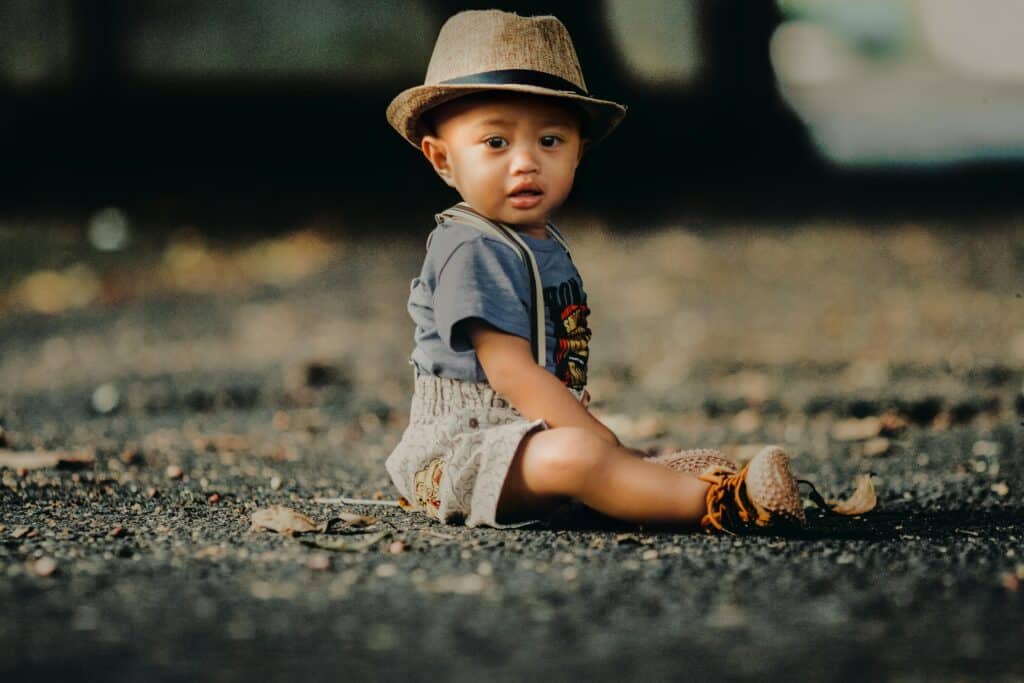
Last names, or surnames, come from a variety of origins and traditionally served as identifiers of lineage, profession, or characteristics that the individual had. It was another way to properly identify someone.
But times are changing. And so are naming conventions.
In fact, using a last name as first name has become increasingly popular in modern naming trends, and this practice often brings a unique, sophisticated, and sometimes distinguished feel to a child’s name.
Perhaps that’s why we see so many last names in the SSA’s list of the most popular names each year.
ALSO ON MOD MOMS CLUB: Brighten up your baby name list with these baby boy names that mean ‘light’
But if last names as first names isn’t a trend you want to follow, then don’t worry — Mod Moms Club has plenty more baby name lists (and even a baby name generator) to help you along in your name search.